
Introduction
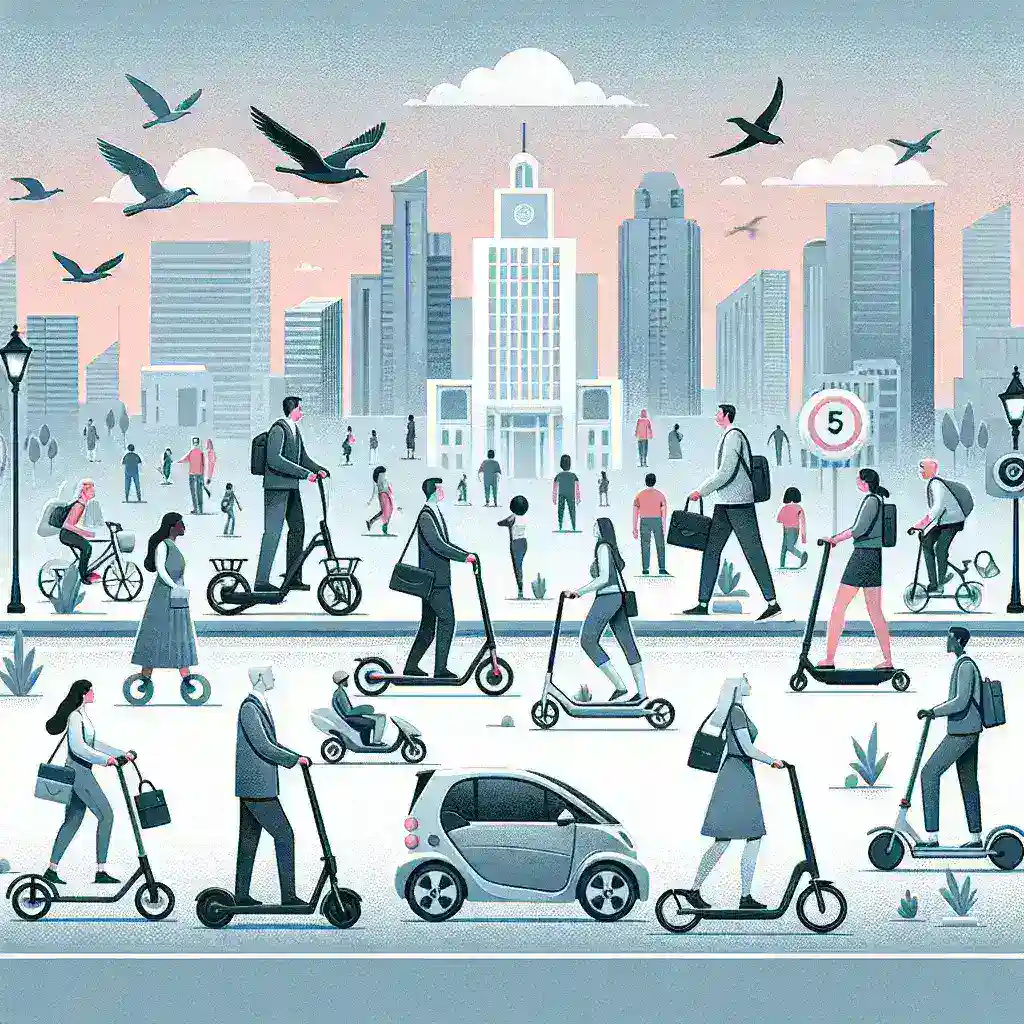
The rise of micro-mobility solutions, such as e-scooters and bike-sharing services, has been a game changer for urban transportation. As cities grapple with congestion and environmental concerns, these apps provide a flexible answer to many commuting challenges. However, with their rapid growth comes a pressing need for compliance with city regulations, especially regarding safety on sidewalks. One innovative approach to this challenge is the integration of sidewalk-speed governors into micro-mobility apps.
Understanding Micro-Mobility Apps
Micro-mobility apps serve as a platform for users to rent lightweight vehicles, primarily e-scooters and bicycles, for short-distance travel. These services are not only affordable but also environmentally friendly, contributing to reduced traffic congestion and lower carbon emissions. As urban planners recognize the benefits of micro-mobility, the adoption of these technologies continues to surge.
The Need for Regulation
As with any emerging technology, the absence of regulation can lead to chaos. Micro-mobility vehicles often operate on sidewalks, which are primarily designed for pedestrians. This has raised safety concerns among city officials and residents alike. Accidents involving e-scooters and pedestrians have sparked numerous debates about the appropriate regulations for their use in urban spaces. Consequently, many cities have begun implementing rules to govern the operation of these vehicles, focusing on speed limits, designated zones, and user behavior.
What is a Sidewalk-Speed Governor?
A sidewalk-speed governor is a technological feature integrated into micro-mobility vehicles that automatically limits their speed when they are operated on sidewalks. By utilizing geofencing and GPS technology, these governors adjust the speed of the vehicle based on its location, ensuring that it adheres to local regulations. This integration is a significant step towards enhancing pedestrian safety and reducing the likelihood of accidents.
How Sidewalk-Speed Governors Work
- Geofencing: Using GPS data, micro-mobility apps create virtual boundaries that define where a vehicle can operate at higher speeds, typically limiting speed on sidewalks.
- Real-time Monitoring: The app continuously tracks the vehicle’s location and adjusts the speed accordingly, ensuring compliance with local regulations.
- User Notifications: Users receive alerts when they enter a designated speed-restricted area, encouraging them to adhere to safety measures.
Benefits of Integrating Speed Governors
Integrating sidewalk-speed governors into micro-mobility apps provides numerous advantages:
1. Enhanced Safety
By limiting the speed of e-scooters on sidewalks, the risk of accidents between riders and pedestrians is significantly reduced. This fosters a safer urban environment, encouraging more people to walk and use micro-mobility options.
2. Compliance with Regulations
As cities introduce stricter regulations for micro-mobility vehicles, speed governors help operators comply with these rules. This compliance can lead to fewer fines and penalties for operators and a smoother relationship with city officials.
3. Improved Public Perception
When micro-mobility services prioritize safety, the public’s trust in these modes of transport increases. This positive perception can drive user adoption and spur further growth in the micro-mobility market.
4. Encouragement of Responsible Usage
Speed governors can educate users on responsible riding practices. By receiving reminders to reduce speed in certain areas, users are prompted to become more considerate riders.
Challenges to Implementation
While the integration of speed governors presents several benefits, there are also challenges that operators must navigate:
1. Technological Limitations
Implementing geofencing requires precise mapping and reliable GPS technology. In areas with poor connectivity, the effectiveness of speed governors may be compromised.
2. User Resistance
Some users may resist speed limitations, viewing them as an inconvenience. Operators need to educate users on the importance of these features for their safety and the safety of others.
3. Cost Implications
Integrating new technology can be costly for micro-mobility operators. Budget constraints might hinder the swift adoption of speed governors across a fleet.
Real-World Examples
Several cities have begun to adopt sidewalk-speed governors in response to growing concerns about safety:
1. San Francisco
San Francisco has become a pioneer in regulating e-scooter use. The city has worked closely with micro-mobility companies to implement speed governors that comply with local laws, resulting in safer streets.
2. New York City
New York City’s Department of Transportation has partnered with various micro-mobility apps to establish geofenced areas where speed limits are enforced, particularly in crowded pedestrian zones.
3. Paris
In Paris, the integration of speed governors has been a part of the city’s broader strategy to manage micro-mobility and promote a pedestrian-friendly environment.
The Future of Micro-Mobility and Speed Governors
As micro-mobility continues to evolve, the integration of sidewalk-speed governors is likely to become standard practice. With advancements in technology, we can expect more sophisticated systems that not only regulate speed but also enhance user experiences. Smart cities of the future may leverage data analytics to optimize routes for micro-mobility vehicles, ensuring safety while promoting efficient transport solutions.
Predictions
- Increased collaboration between city planners and micro-mobility operators to create safer urban environments.
- The potential for further innovations in safety technology, such as automatic braking systems that work in conjunction with speed governors.
- A rise in public acceptance of micro-mobility options, driven by enhanced safety features.
Conclusion
Micro-mobility apps are at the forefront of transforming urban transportation. By integrating sidewalk-speed governors, these services not only comply with city regulations but also prioritize the safety of pedestrians and riders alike. As cities continue to adapt to the demands of modern commuting, the evolution of micro-mobility technologies like speed governors will play a crucial role in shaping the future of urban transport.