
Introduction
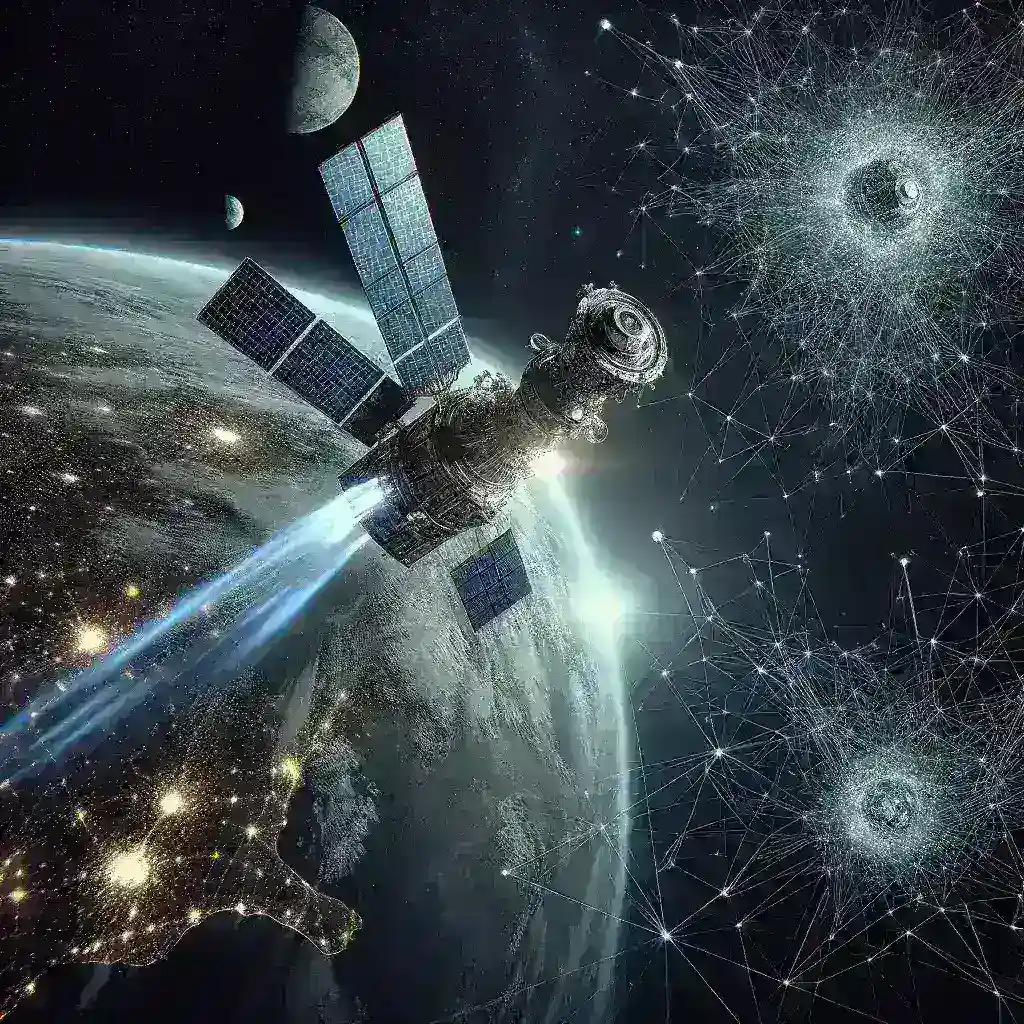
The increasing volume of space debris poses a significant threat to satellites and other spacecraft orbiting Earth. In response to this growing concern, the United States Space Force has launched an innovative AI-driven orbital debris tracking network. This initiative marks a crucial step towards ensuring safe and sustainable operations in space.
Understanding Orbital Debris
Orbital debris, commonly referred to as space junk, consists of defunct satellites, spent rocket stages, and fragments from collisions or disintegration of spacecraft. As of 2023, it is estimated that there are over 34,000 pieces of debris larger than 10 cm, with millions of smaller fragments orbiting our planet. The potential for these objects to collide with operational satellites presents a growing risk to space missions.
The Role of AI in Tracking Debris
The newly launched debris tracking network utilizes advanced artificial intelligence algorithms to improve the monitoring and prediction of space debris trajectories. By analyzing vast amounts of data from various sources, the AI system can efficiently identify, track, and predict the movements of orbital debris with greater accuracy than traditional methods.
Benefits of AI-Driven Tracking
- Enhanced Accuracy: AI algorithms can process real-time data faster and more accurately, allowing for timely updates on debris locations.
- Predictive Capabilities: The system can anticipate potential collisions, enabling spacecraft operators to take proactive measures to avoid accidents.
- Data Integration: The AI network consolidates data from multiple satellite systems, providing a comprehensive overview of the debris environment.
Historical Context
To appreciate the significance of the Space Force’s initiative, it is essential to understand the history of orbital debris tracking. In the early days of space exploration, debris was not a significant concern. However, as more satellites were launched, the accumulation of debris became a pressing issue. The 2009 collision between Iridium 33 and Cosmos 2251 highlighted the dangers of space debris, prompting efforts to develop tracking systems.
Previous Tracking Efforts
Before the introduction of the AI-driven network, various organizations, including NASA and the European Space Agency (ESA), employed radar and optical systems to monitor space debris. While these methods were effective, they often lacked the speed and predictive capabilities necessary for real-time decision-making.
Future Implications of the AI-Driven Network
The launch of this AI-driven orbital debris tracking network by the Space Force has far-reaching implications for the future of space exploration and satellite operations. As the number of satellites in orbit continues to grow, the need for robust tracking solutions will become increasingly vital.
Commercial and Military Applications
In addition to enhancing the safety of commercial satellite operations, the AI tracking network will also play a critical role in military applications. The ability to monitor and predict debris movements can assist in protecting national security assets and ensure the stability of military communications.
International Collaboration
As space debris is a global issue, the Space Force’s initiative opens the door for international collaboration. By sharing data and insights from the AI-driven network, countries can work together to mitigate the risks posed by orbital debris, fostering a safer space environment.
Challenges Ahead
Despite the advancements offered by the AI-driven tracking network, challenges remain. The sheer volume of debris and its unpredictable nature can complicate tracking efforts. Additionally, maintaining the network’s effectiveness will require ongoing investment in technology and infrastructure.
Regulatory Considerations
As the Space Force leads this initiative, regulatory frameworks governing space debris management will need to evolve. Establishing guidelines for debris mitigation and removal will be essential to prevent further accumulation of space junk.
Conclusion
The launch of the Space Force’s AI-driven orbital debris tracking network is a monumental step towards safeguarding space operations. By leveraging advanced technology, this initiative not only enhances safety for satellites and spacecraft but also paves the way for a collaborative global approach to managing the challenges of orbital debris. As we venture further into the cosmos, initiatives like this will be critical in ensuring the sustainability of space exploration for future generations.